
Coyote Wildlife Control in Northern VA: How to Protect Your Pets and Property
While not native to Virginia, coyotes have become a valuable part of our wildlife landscape as they control the populations of certain small animals. However, coyotes can cause serious problems if left unchecked, including disturbing nighttime howling and even missing pets. Here’s what you need to know about humane and effective coyote control for your property.
Coyote Removal
Expert Wildlife Solutions You Can Trust
Coyotes can be found in both suburban and residential areas throughout the state. While this is normal in most cases, certain dangers and inconveniences present themselves when coyotes get too close and too comfortable to humans and our homes.
There are reports of missing pets, aggressive coyote behavior, and howling throughout the night that disturbs peaceful sleeping. This can leave homeowners feeling uneasy and unsure what to do next. If you’re in that spot, here’s what you should know.
ARTICLE CONTENTS:
- Why Coyotes are a Concern for Homeowners
- Safety Concerns to Your Pets
- Bold and Aggressive Behavior
- Threat to Poultry and Livestock
- Disease
- Signs of Coyote Activity
- 4 Coyote Wildlife Control Strategies
- Secure All Food Sources
- Protect Pets, Poultry, and Livestock
- Landscaping
- Work with a Professional
- Safe Coyote Control in Northern Virginia
- Our Coyote Wildlife Management Process
- Areas We Service for Coyote Control
- FAQs About Coyotes in Virginia
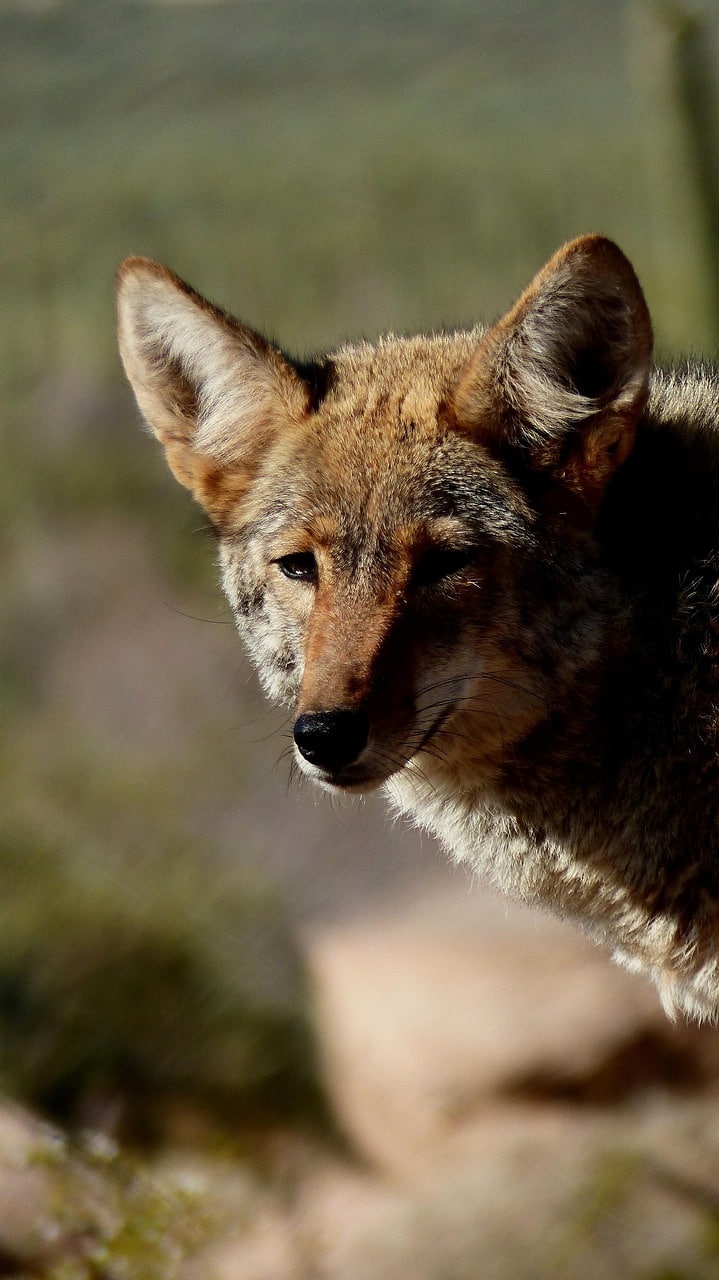
Why are Coyotes a Problem?
Coyotes are intelligent creatures. While they naturally love to spend their time in the woods and wilderness, they’re highly adaptable predators. This means that as development expands into rural areas, coyotes are learning how to adapt.
They are figuring out how to thrive alongside people and in some instances, they can get far too comfortable.
Coyotes mostly avoid human interaction, but if food is scarce or there are resources to guard, they can be confident and aggressive.
Here are the main concerns to beware:
1. Safety Concerns to Your Pets
This is one of the biggest risks to coyotes being in your area. Dogs and cats are particularly vulnerable since a coyote views them as ideal prey. Alternatively, they may view them as competition. Neither is a great place to be for your pet.
If you know you have coyotes roaming near your home, avoid leaving any of your pets outside unattended, especially during dawn and dusk, which are prime time for hunting.
2. Bold and Aggressive Behavior
While it’s rare for a coyote to bother people, they are becoming increasingly comfortable around people. They’ve been known to approach homes, follow walkers, or linger around your yard in search of food. If coyotes have any easy access to food in your yard, they are likely to become bold.
Any type of negative encounter with a coyote is cause for alarm. If you have a coyote in your yard that isn’t skittish or running away from you, reach out to us for help.
Keep in mind that male coyotes are most likely to be aggressive during their mating season from February to March.
3. Threat to Poultry and Livestock
If you have chickens, ducks, goats, or other small livestock, coyotes can cause problems. They are skilled hunters and will work hard to figure out a way to eat.
If that means digging, climbing, squeezing through fences, or patiently waiting for the right time to strike, coyotes are willing to do the work. Make sure to take extra precautions to protect your outdoor animals with secure enclosures and fencing.
4. Disease
Coyotes are known to carry some diseases that are easily transmissible to pets, as well as some that are transmissible to humans. Rabies, for example, can be transmitted to humans or pets and can be fatal.
Coyotes can also have mange, a skin disease caused by mites. They can carry heartworms or have canine distemper. They commonly carry ticks, which can spread Lyme disease to your pets and family. Understanding these risks is crucial to keeping your home safe.
Identifying Coyote Behavior
It’s perfectly normal to hear coyotes before you see signs of them, but they also leave plenty of visual cues. Here is what to watch out for:
- Howling, yipping, or barking, especially at night
- Canine tracks resembling a medium-sized dog
- Animal droppings that contain fur, bones, or berries
- Pets acting anxious outdoors, or refusing to go outdoors
- Sightings of coyotes in fields, near tree lines, or in the neighborhood
If you notice any of these signs or multiple of them, it’s important to take action. Once coyotes settle into your area and find their favorite hangout spots, it’s harder to get them to move on.
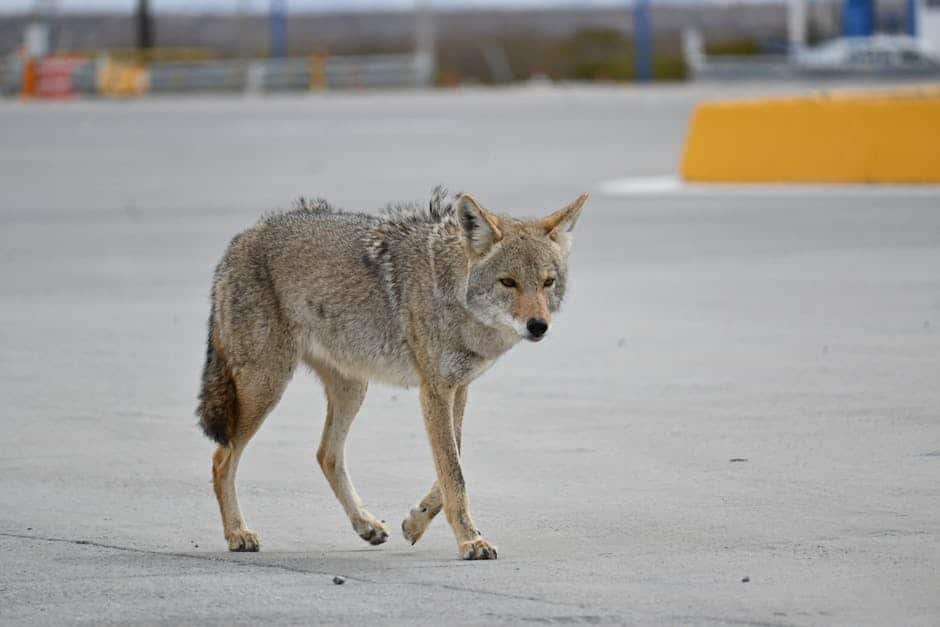
Safe Coyote Control
When it comes to proper wildlife control for coyotes, prevention is always your best first step. Coyotes are resourceful and persistent, so enforcing boundaries early is the ideal option.
Please keep in mind that coyotes are protected wildlife in the state of Virginia. That means coyote trapping methods are all regulated. Never attempt to trap or relocate a coyote, as it’s illegal in the state of Virginia.
Instead, work with trusted wildlife control companies like Hunt Country Wildlife Control if any additional action is necessary.
Here are some safe, legal prevention methods to use:
- Secure All Food Sources
Pet food, trash canes, compost piles, fallen fruit, and even bird feeders are all attractants to coyotes. If you have seen signs of coyotes in your area, now is the time to secure all these food sources. Eliminate any potential meal that might interest them
- Protect Pets, Poultry, and Livestock
As mentioned, pets, poultry and livestock are all potential meals for coyotes. Never leave small pets outside unattended and always use sturdy fencing for your poultry and livestock. Bury your fence bottoms to protect against digging. Consider using motion-activated lights near enclosures.
- Landscaping
Clear any tall brush or grass on your property. If there is other debris in your yard such as wood piles that a coyote might hide in or use to create a den, remove it. Trim back your woods and hedges to make your property less appealing to coyotes.
- Work with a Professional
If you’re not sure what to do, or you want to have full peace of mind that your property is protected, work with wildlife experts like Hunt Country Wildlife Control. We’re trained, licensed, and prepared to handle all wildlife concerns common to Virginia.
We will help manage all coyote activity to keep you, your pets, and your property safe.
Our Coyote Removal Process
At Hunt Country Wildlife Control, we provide professional, humane coyote control services throughout Loudoun and Fairfax Counties.
Coyotes can be unsettling and we understand that. When your family, pets, or livestock are at risk, quick and effective action is necessary. Our team focuses on reducing wildlife conflict while staying true to wildlife laws.
Whether you’ve spotted a coyote on your property, have been hearing them, or just want to get ahead of any wildlife risks, we’re here to provide long-term wildlife control solutions.
Our Coyote Wildlife Management Process:
1. Property Inspection
We start with a full site evaluation to identify travel paths, den sites, attractants, and risk areas. Gathering all this information will help us construct a wildlife control plan that works.
2. Customized Management Plan
Every property is different. We will create a custom plan tailored to your location, surrounding environment, and coyote activity.
3. Humane Implementation
Our approach may vary depending on the severity level of your coyote activity and your property. It may include habitat modification, exclusion techniques, deterrents, and other lawful wildlife control methods.
4. Long-Term Monitoring
Coyotes are highly mobile. We follow up with property checks to ensure our solutions are effective and your property is fully protected in the future.
Areas Served
Areas We Service for Coyote Control
Hunt Country Wildlife Control provides humane coyote control throughout Northern Virginia, including both residential and commercial properties.
We proudly serve:
Loudoun County:
- Purcellville
- Round Hill
- Leesburg
- Hamilton
- South Riding
- Ashburn
- Sterling
- Middleburg
Fairfax County:
- McLean
- Arlington
- Alexandria
If you’re experiencing any coyote activity, our team is here to help.
Are Coyotes a danger to humans?
Coyotes rarely attack humans, but they can get bold and aggressive, especially when their food source is at risk. They also can carry diseases, some that are harmful to humans. Never approach a coyote or attempt to trap one.
What do coyotes look like in Virginia?
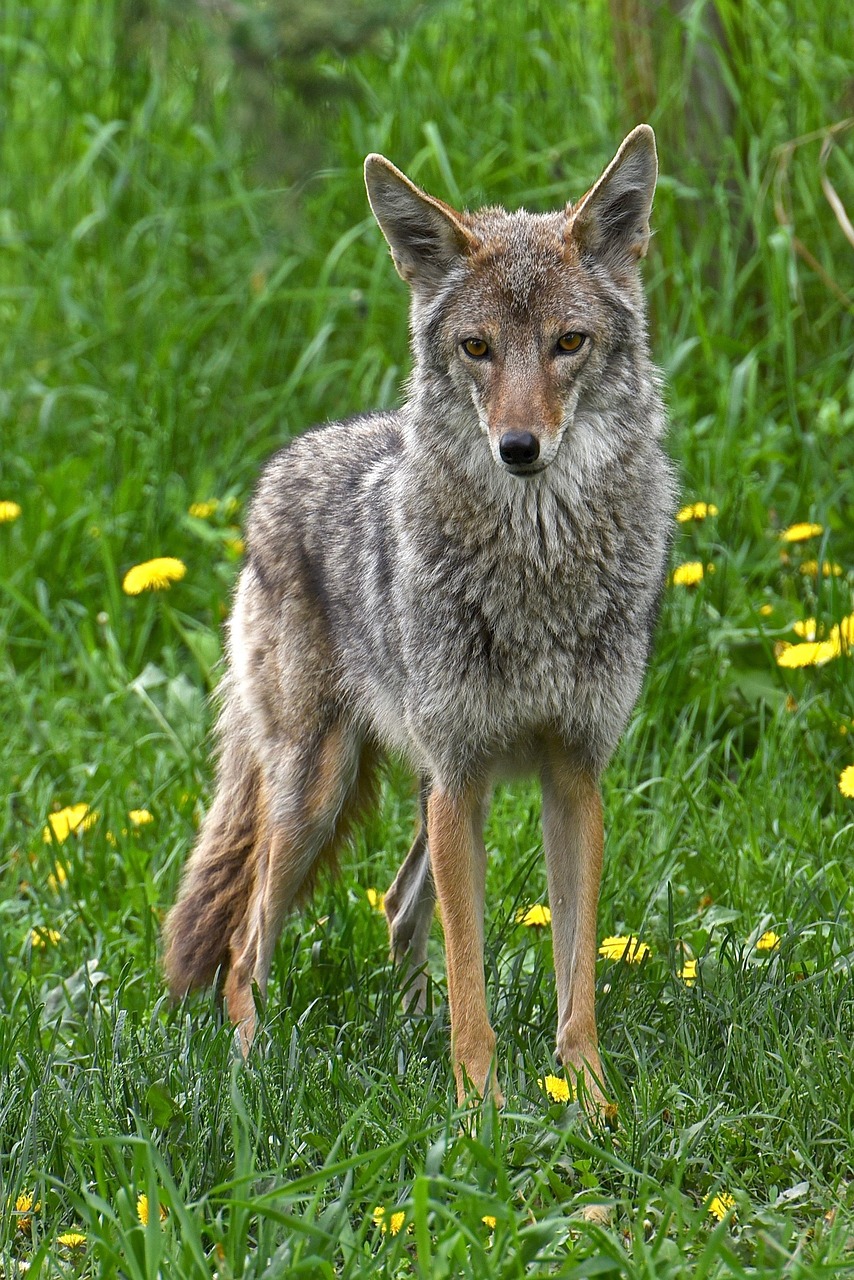
Coyotes are medium to large sized canines, so they are part of the wolf, fox, and dog family. They have pointed, erect ears with a long, slender snout. They tend to have bushy tails. Their color varies, but they can be sandy brown, tan, gray, black, or even red-brown.
What to do if you have coyotes in your backyard?
Do not approach them. Use a noisemaker or whistle to deter them. Remove all access to food sources. Keep pets inside. Keep small livestock and poultry in secure pens. If possible, install electric fencing to protect your yard.
Consider putting some wind chimes on your porch or predatory decoys like plastic hawks or owls.
When are coyotes most aggressive?
Male coyotes become most aggressive during their breeding season, throughout the months of February and March.
Call now for expert wildlife removal and exclusion you can trust.
Don’t wait until a small problem becomes a big one. Call now and get the peace of mind you deserve.