
Termite Control
Expert Termite Control service in NOVA. Family Owned & Operated. Based in Purcellville.
Termite Control
Our Termite Control Service
At Hunt Country Wildlife Control, our Termite Control service begins with a comprehensive inspection by certified technicians to locate active infestations, identify conducive conditions, and assess structural damage. We offer tailored treatment plans using proven methods — including baiting systems, localized spot treatments, and liquid barrier applications — combined with moisture control, wood repairs, and ongoing monitoring to ensure termites are eliminated and prevented from returning.
Termites can silently destroy the structural integrity of homes, leading to costly repairs and reduced property value, which is why timely intervention is critical. Our Purcellville-based team provides fast response, detailed reporting, and preventive maintenance plans to protect Northern Virginia homes, safeguarding your investment and peace of mind.
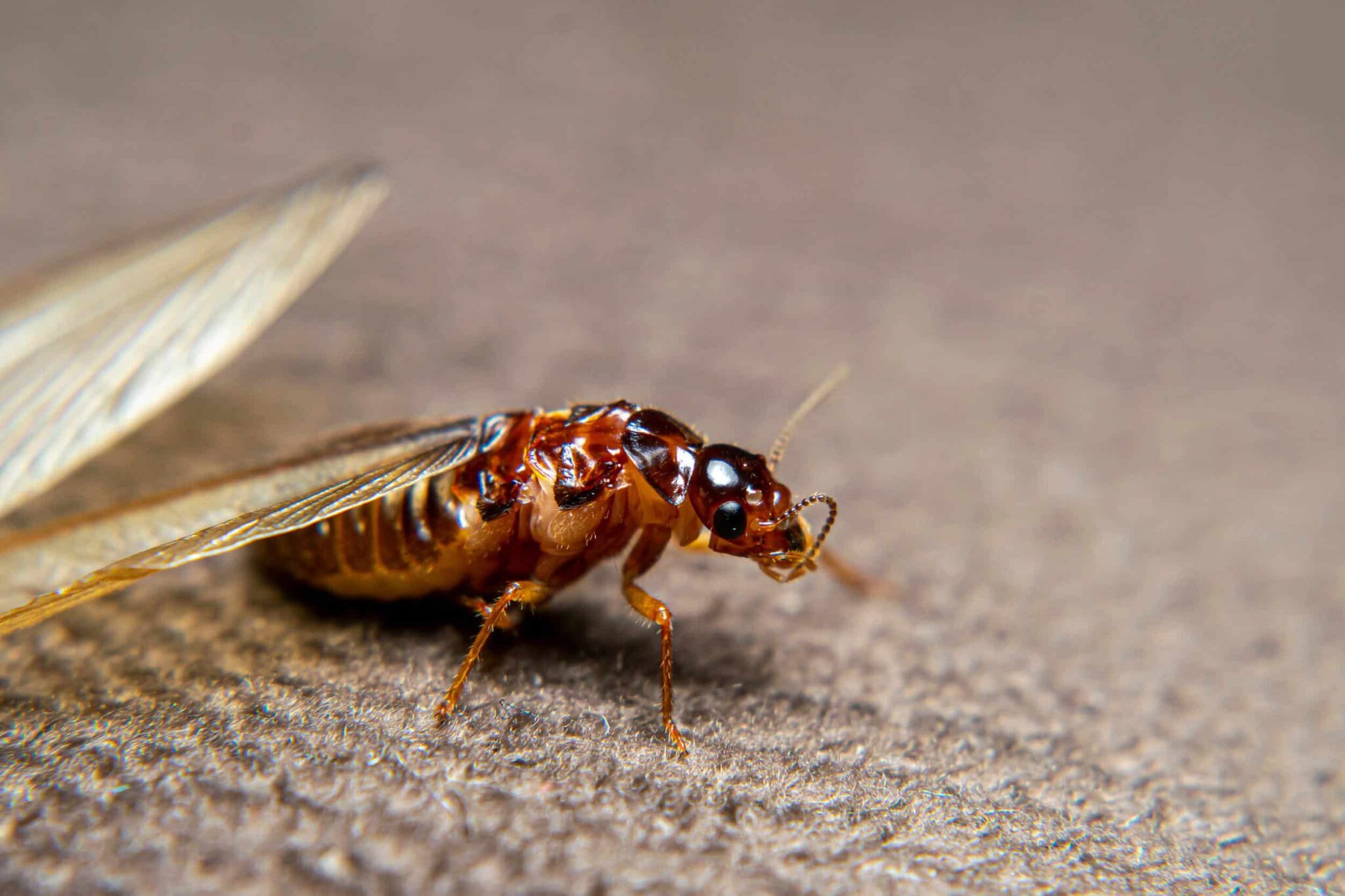
Professional Termite Management
Why Homeowners Need Professional Termite Control
Termites quietly eat away at the very structure of your home, hollowing joists, studs, and support beams until floors sag and walls weaken. Left unchecked, infestations can cause extensive, costly damage that compromises foundation stability, reduces property value, and requires major repairs—often undetected until it’s too late. Beyond structural harm, termite activity promotes moisture intrusion and wood decay that encourage mold and mildew, worsening indoor air quality and aggravating allergies or asthma. Damaged insulation and chewed wiring can also create fire and electrical hazards. For fast, effective protection and thorough inspections, trust Hunt Country Wildlife Control to identify infestations early and implement targeted termite control solutions.
NOVA Termite CONTROL
Frequently Asked Questions About Termite Control
What are the common signs of a termite infestation?
Look for mud tubes on exterior walls/foundations, discarded wings near windowsills or doors, hollow-sounding wood, sagging floors or ceilings, and blistered or peeling paint. Swarming winged insects in spring are another key sign.
How do subterranean and drywood termites differ?
Subterranean termites live in soil and build mud tubes to reach wood; they cause widespread structural damage. Drywood termites live inside dry wood and don’t require soil contact; infestations are localized and often detected by frass (tiny wood pellets).
How quickly can termites damage a home?
Damage rates vary by species and colony size, but significant structural damage can occur within 3–8 years if left untreated. Regular inspections shorten detection time and limit damage.
Can I treat termites myself?
Minor infestations sometimes respond to DIY products, but effective, safe elimination and prevention—especially for subterranean termites—usually require professional treatments like liquid barriers, baiting systems, or fumigation for drywood colonies.
What treatment options do professionals use?
Common professional treatments include liquid soil treatments (termiticides), termite baiting systems, localized wood treatments, and whole-structure fumigation for severe drywood infestations. Choice depends on termite type, infestation size, and home construction.
Are termite treatments safe for my family and pets?
Licensed technicians use EPA-approved products and follow safety protocols to minimize risk. Many modern termiticides and baits are low-risk when applied by professionals; discuss concerns and any necessary re-entry times with your provider.
How long do termite treatments last?
Liquid barriers and bait systems can provide multi-year protection; warranties often cover 5–10 years with regular inspections. Longevity depends on product used, soil conditions, and ongoing monitoring.
Do termite treatments require drilling or major disruption?
Some treatments involve limited drilling in crawlspaces or access through small holes; fumigation requires tenting the structure and temporary relocation. Many liquid and bait treatments are minimally invasive.
How often should I have termite inspections?
Annual inspections are recommended for most homes in Northern Virginia. Properties with prior infestations or higher risk factors (wood-to-soil contact, moisture issues) may need more frequent checks.
Can termites come back after treatment?
Reinfestation is possible if conditions remain favorable. Proper treatment, soil barriers or baits, and ongoing prevention (moisture control, removing wood contact) plus scheduled inspections greatly reduce recurrence risk.
What can I do to prevent termites?
Reduce wood-to-soil contact, fix leaks and drainage problems, ventilate crawlspaces, store firewood away from the house, seal foundation cracks, and maintain a regular inspection and treatment plan.
Why should I hire a professional like Hunt Country Wildlife Control?
Experienced technicians accurately identify termite species, recommend appropriate, code-compliant treatments, provide warranties and follow-up inspections, and reduce long-term repair costs by stopping infestations early.

Call now for expert Termite Control you can trust.
Don’t wait until a small problem becomes a big one. Call now and get the peace of mind you deserve.